تصویر میکروسکپ الکترونی لیستریا مونوسیتوژنز

+ نوشته شده در جمعه ۱۳۸۷/۱۰/۱۳ ساعت توسط m.ghane


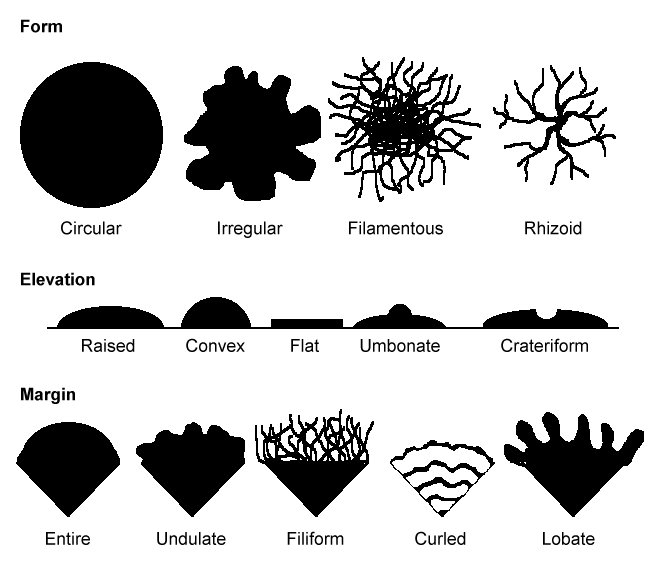
Bacillus represents a genus of Gram-positive bacteria which are ubiquitous in nature (soil, water, and airborne dust). Some species are natural flora in the human intestines. When grown on blood agar, Bacillus produces large, spreading, gray-white colonies with irregular margins. A unique characteristic of this bacterium is its ability to produce endospores when environmental conditions are stressful. The only other known spore-producing bacterium is Clostridium. Although most species of Bacillus are harmless saprophytes, two species are considered medically significant: B.anthracis and B. cereus.
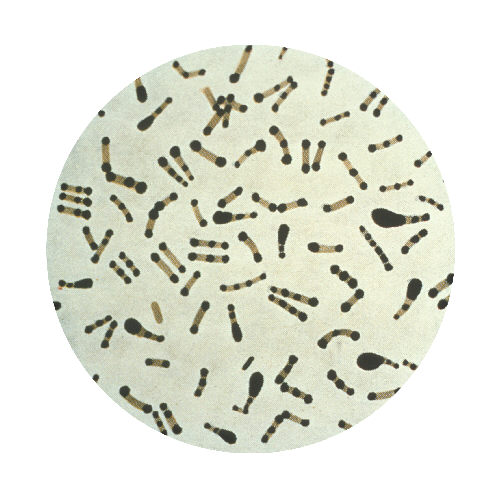
Members of genus Clostridium are Gram-positive, spore-forming rods that are anaerobic. These motile bacteria are ubiquitous in nature and are especially fond of soil. Under the microscope, they appear as long drumsticks with a bulge located at their terminal ends. A Gram-stain is a good method for identifying Clostridium because the cell incorporates the dye while the spore remains unstained. Clostridium shows optimimum growth when plated on blood agar at human body temperatures. When the environment becomes stressed, however, the bacteria produce spores that tolerate the extreme conditions that the active bacteria cannot. In their active form, these bacteria secrete powerful exotoxins that are responsible for such diseases as tetanus, botulism, and gas gangrene. The four clinically important species of Clostridium will be discussed here: C. tetani, C. difficile, C. perfringens, and C. botulinum.




.JPG)
